18 of the World's Most Fascinating, Rare and Bizarre Frogs and Toads
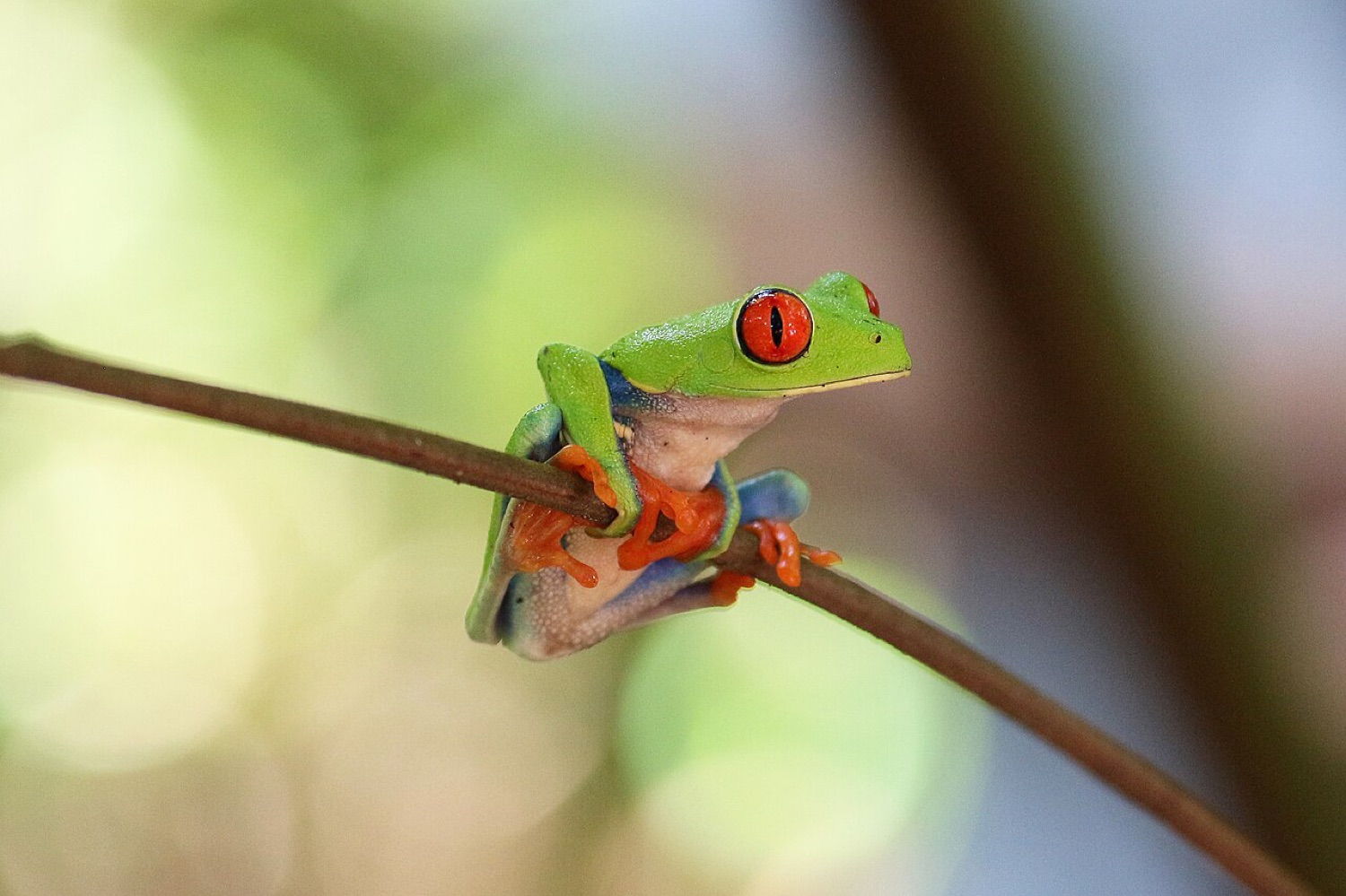
There are more than 7,000 known species of frogs and toads, adapted to rainforests, deserts, mountain streams and even underground burrows. Some look grumpy, some look like moss, and some raise their babies in the strangest places imaginable.
Frog or toad?
Scientifically, all toads are frogs: they belong to the same order, Anura. In everyday language, "frog" usually means a smooth, moist-skinned species with long legs for leaping, while "toad" means a dry, warty one with shorter legs that walks or hops. Plenty of species break the rules.
1Black rain frog
A round, permanently frowning frog from the forests of South Africa's southern Cape. It lives in burrows and puffs itself up when threatened, which only makes it look grumpier.
2Desert rain frog
A tiny, bug-eyed frog from the coastal dunes of Namibia and South Africa, famous online for its squeaky, toy-like defensive call.
3Vietnamese mossy frog
Its lumpy green and brown skin looks exactly like a patch of moss on a rock. When disturbed it curls into a ball and plays dead.
4Long-nosed horned frog
A master of camouflage from Southeast Asia. Pointed "horns" over its eyes and a body shaped like a dead leaf make it vanish on the forest floor.
5Wallace's flying frog
This Bornean tree frog spreads its huge webbed feet like parachutes and glides from tree to tree, covering long distances through the canopy.
6Australian green tree frog
A plump, sleepy-looking frog that often turns up in Australian bathrooms and water tanks, and one of the most popular pet frogs in the world.
7Diane's bare-hearted glass frog
Described from Costa Rica in 2015, this lime-green frog with big white eyes caused a stir because it looks remarkably like Kermit. Like other glass frogs, it has see-through skin on its belly.
8Indian bullfrog
For most of the year it is olive-brown. In the breeding season, males turn bright yellow and inflate blue vocal sacs, one of the most dramatic colour changes in the frog world.
9Amazonian horned frog
A mouth with legs. It sits half-buried in leaf litter and ambushes prey nearly its own size, including other frogs.
10Harlequin toads
Brightly coloured Atelopus toads of Central and South America. Many species have declined sharply because of the chytrid fungus disease, and several were feared extinct before being rediscovered.
11Crucifix toad
An Australian burrowing frog with a cross-shaped pattern on its back. It defends itself by oozing a sticky, glue-like secretion.
12Purple frog
A bloated, pig-nosed frog from India's Western Ghats that spends most of the year underground eating termites and surfaces only briefly to breed. Scientists described it only in 2003.
13Darwin's frog
Discovered by Charles Darwin in Chile. The male guards the eggs and then carries the tadpoles in his vocal sac until they emerge as tiny froglets.
14Poison dart frogs
The jewels of the rainforest. Their bright colours warn predators of toxins in their skin; the golden poison frog of Colombia is among the most poisonous animals on Earth.
15Ornate horned frog
An Argentine relative of number 9, nicknamed the "Pacman frog" for its round shape and enormous appetite.
16Turtle frog
A short-legged Western Australian frog that looks like a turtle without its shell. Unlike most burrowing frogs, it digs head-first and feeds on termites.
17Surinam toad
A flat, leaf-shaped toad from South America. The female's eggs sink into the skin of her back, and the young emerge from it as fully formed toadlets.
18Pinocchio frog
Spotted in New Guinea's Foja Mountains in 2008 with a fleshy spike on its nose that points up when it calls and droops when it does not. It was formally named in 2019.
The most famous bet in frog history
Frogs have their own place in gambling history, thanks to Mark Twain. His 1865 short story "The Celebrated Jumping Frog of Calaveras County", the tale that made him famous, is about Jim Smiley, a California mining-camp man who would bet on anything: horse races, dog fights, which of two birds would fly off a fence first. Smiley trains a frog named Dan'l Webster to out-jump any frog in the county and bets $40 on him against a stranger. While Smiley is away fetching a frog for the stranger, the visitor quietly pours quail shot down Dan'l Webster's throat. The champion cannot move, the stranger takes the money, and Smiley learns the oldest lesson in gambling: know who you are playing against.
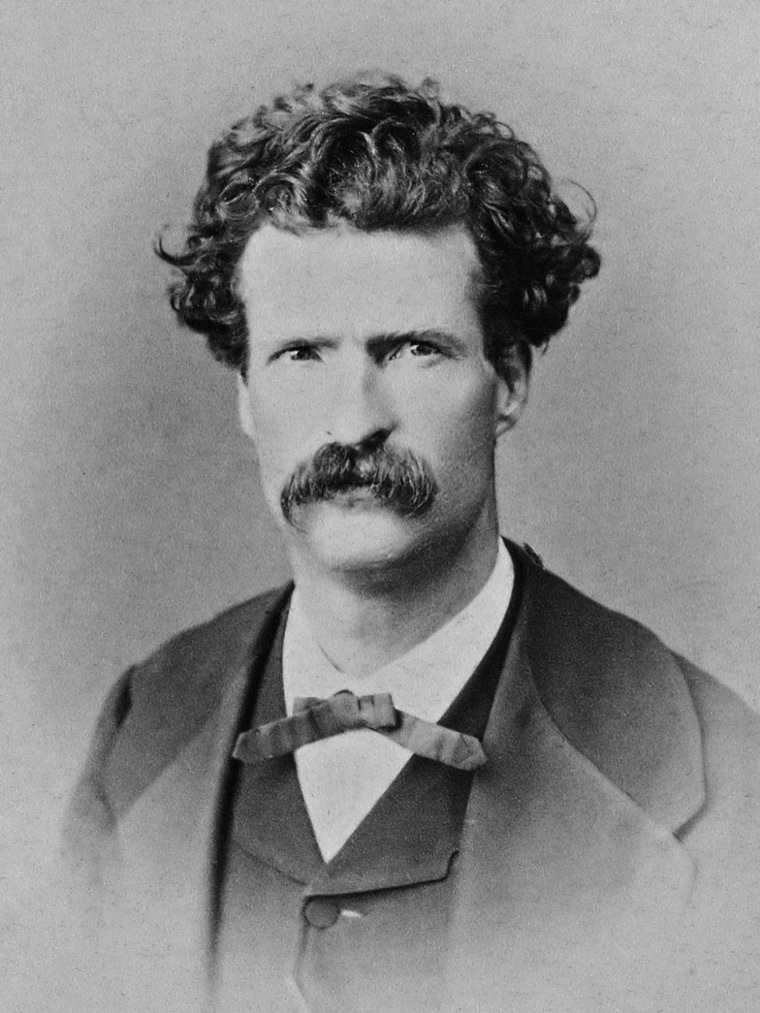
The story became real. Since 1928 the Calaveras County Fair in Angels Camp has held the Jumping Frog Jubilee, where entrants try to make their frogs jump as far as possible in three hops. The record, set in 1986 by a frog named Rosie the Ribeter, is just over 21 feet. For real-world wagers every bit as unlikely as Smiley's, read 9 Bizarre Bets That Actually Paid Off, and for the maths of why "a sure thing" rarely is, see The Science of Luck.