10 of the Most Beautiful Places to Visit in Ireland
Windswept hills, monastic ruins and cliffs that drop straight into the Atlantic: it is no secret that the island of Ireland has some of the most jaw-dropping views in Europe. Here are ten of the best. Got your camera ready?
1Glendalough, County Wicklow
An hour south of Dublin in the Wicklow Mountains National Park, this glacial valley holds two lakes and one of Ireland's most important early monastic sites, founded by Saint Kevin in the 6th century. The round tower, stone churches and old graveyard against green hills look like the setting of a Victorian novel.
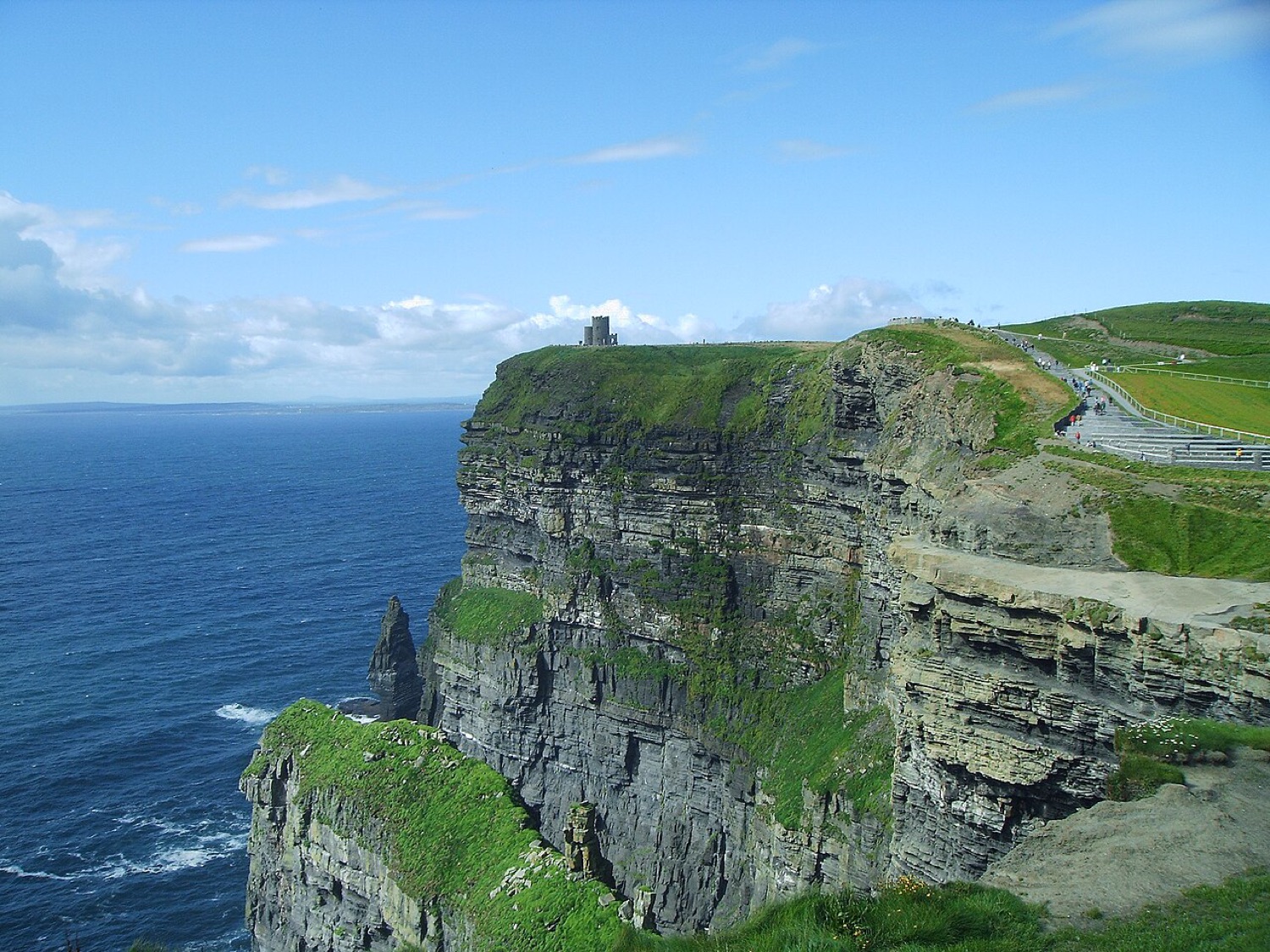
2Cliffs of Moher, County Clare
Ireland's most famous natural landmark rises to about 214 metres above the Atlantic and runs for around 14 kilometres along the coast. On a clear day you can see the Aran Islands, Galway Bay and the mountains of Connemara. Come early or late to avoid the coach crowds, and stay behind the barriers: the wind here is serious.
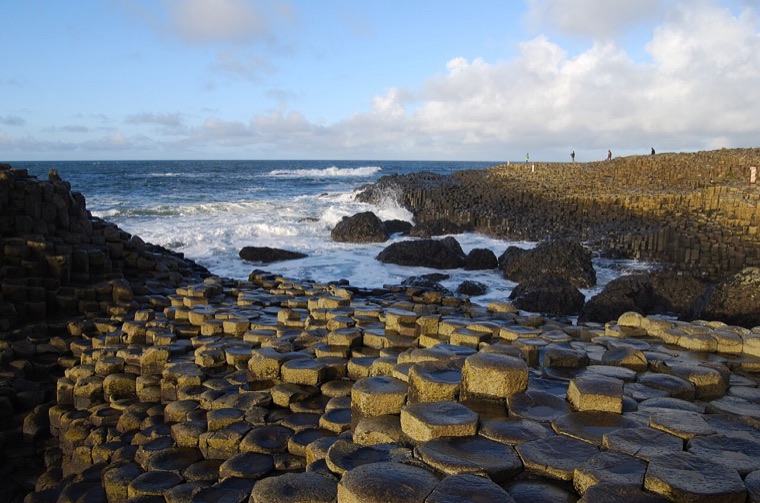
3Giant's Causeway, County Antrim
Around 40,000 interlocking basalt columns, most of them hexagonal, step down into the sea on the north coast of Northern Ireland. They formed when lava cooled and cracked some 50 to 60 million years ago. Legend prefers the giant Finn McCool, who built a bridge to Scotland to fight a rival. It became a UNESCO World Heritage Site in 1986.
4Inishbofin, County Galway
A short ferry ride off the Connemara coast, this small island has white sand beaches, wildflowers, seals and a population of under two hundred. Walk the loop to the western cliffs for the views, and keep an eye out for basking sharks in summer. They are harmless plankton-eaters, though they look anything but.
5Croagh Patrick, County Mayo
Ireland's holy mountain rises to 764 metres above Clew Bay, which is scattered with dozens of tiny drumlin islands. The climb takes around two hours up on loose scree. On Reek Sunday, the last Sunday of July, tens of thousands of pilgrims make the ascent, some barefoot, so pick another day if you want solitude.
6Dún Aonghasa, Inis Mór
The largest of the Aran Islands is best explored by bicycle along stone-walled lanes. Its star is Dún Aonghasa, a prehistoric stone fort perched on the edge of a sheer cliff about 100 metres above the Atlantic. There is no railing at the edge, only wind and a very long drop.
7Carrick-a-Rede, County Antrim
To reach tiny Carrick-a-Rede island, salmon fishermen once strung a rope bridge across a chasm roughly 30 metres above the sea. Today's bridge is sturdier, but it still sways. The reward on the far side is a view to Rathlin Island and, on clear days, Scotland.
8Benbulbin, County Sligo
This flat-topped mountain, carved by glaciers into a shape that recalls a smaller Table Mountain, dominates the Sligo skyline. The poet W. B. Yeats is buried in its shadow at Drumcliff. A marked trail on the gentler side gives views over the Atlantic; the steep north face is for experienced walkers only.
9Skellig Michael, County Kerry
Twelve kilometres off the Iveragh Peninsula, this jagged rock holds the stone beehive huts of a monastery founded between the 6th and 8th centuries, reached by more than 600 ancient steps. It is a UNESCO World Heritage Site, landings are limited and weather-dependent, and film fans will recognise it from the recent Star Wars films.
10Slieve League, County Donegal
Among the highest sea cliffs in Europe, Slieve League rises around 600 metres above the Atlantic. The viewing point at Bunglass is reachable by car; braver walkers can follow the ridge. If heights are not your thing, take a boat trip and look up instead.
A day at the races: Ireland's love affair with a flutter
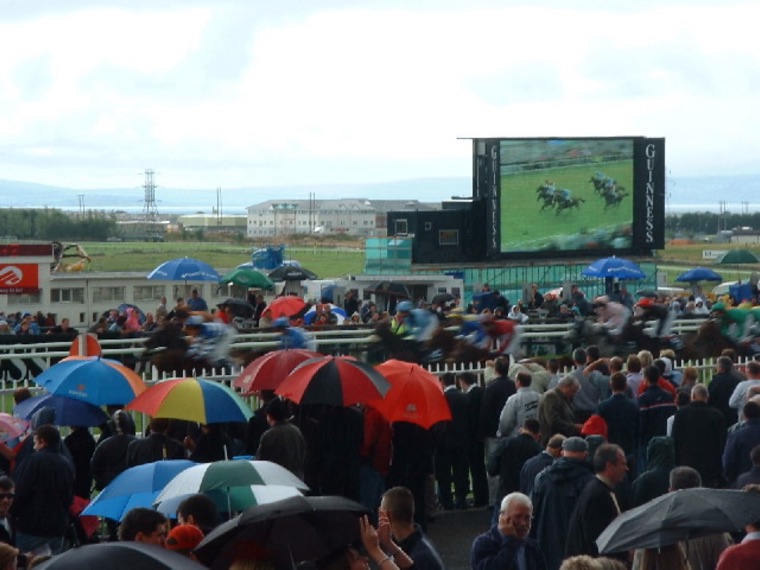
You cannot understand Ireland's summer without the Galway Races. Every year around the turn of July and August, the racecourse at Ballybrit, just outside Galway city, hosts a week-long festival that is as much a social event as a sporting one. Bookmakers line the rails shouting odds, hats and suits come out on Ladies' Day, and the city's pubs stay busy long after the last race. Combine it with a ferry to Inishbofin or the Aran Islands and you have the perfect west-of-Ireland week.
Betting is woven into Irish culture. High-street bookmakers have been part of town life for generations, and one of the biggest names in modern betting, Paddy Power, was founded in Dublin in 1988 and later became part of one of the world's largest gambling groups. Irish and British bookmakers are also famous for novelty markets, which is how some of the strangest wagers in history were placed. Read the best of them in 9 Bizarre Bets That Actually Paid Off.
Casinos, on the other hand, have a quirky history here. For decades Irish law effectively banned conventional casinos, so gaming took place in private members' clubs instead. A modern law passed in 2024 set up a dedicated gambling regulator to overhaul the old system. If you want grand casino halls, look further afield, to the places on our list of the most amazing casinos in the world.