Venice, the Elegant Jewel of Italy: Your Fancy Destination
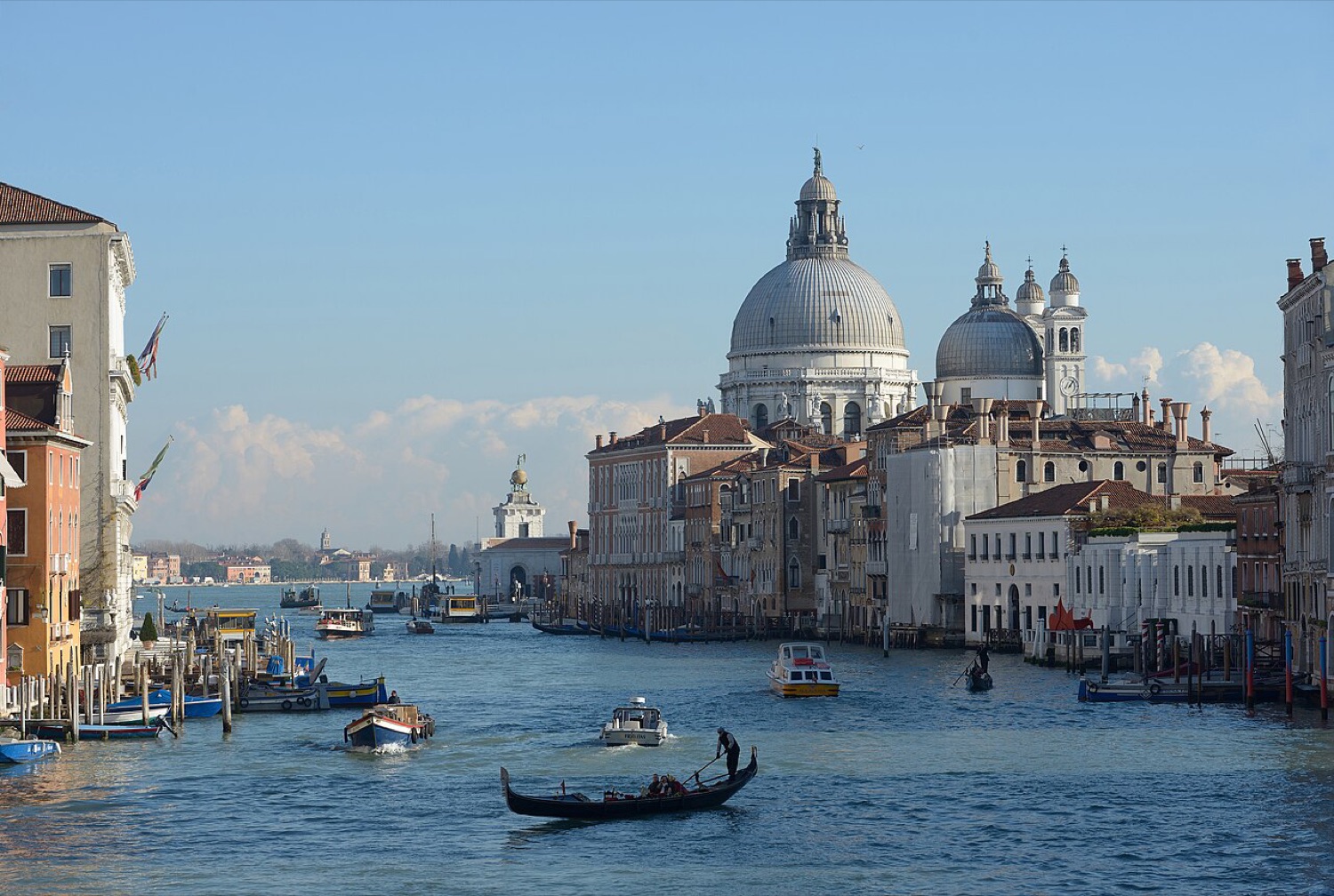
In the waters of the northern Adriatic lies one of the most romantic places in the world: Venice and its lagoon, a city built on more than a hundred small islands and listed by UNESCO as a World Heritage Site in 1987.
A city born from the water
Venice began as a refuge. As invaders swept through northern Italy after the fall of the Western Roman Empire, people fled to the marshy islands of the lagoon, where armies could not follow. On wooden piles driven into the mud they built what became, by around the year 1000, one of the richest and most powerful states in Europe: the Most Serene Republic of Venice, which lasted until Napoleon ended it in 1797.
St Mark's Square and the Doge's Palace
The heart of the city is Piazza San Marco, which Napoleon is said to have called the drawing room of Europe. Its five-domed basilica glitters with gold mosaics; the four bronze horses above the entrance are copies, while the originals, looted from Constantinople in 1204, are kept safe inside. Next door, the Gothic Doge's Palace housed the government of the Republic for centuries. Its council chambers are covered in paintings by Tintoretto and Veronese, and a covered bridge, the Bridge of Sighs, led prisoners from the courtrooms to the cells.
Bridges, canals and islands
The Grand Canal snakes through the city in a reversed S, lined with palaces and crossed by only four bridges, the most famous being the Rialto. Venice is best seen on foot, getting deliberately lost among its narrow calli and little squares, or from the water by vaporetto or gondola. Take a boat to Murano to watch glassblowers at work, and to Burano for lace and houses painted every colour of the rainbow. The Lido, a long sandbar between lagoon and sea, has beaches and hosts the Venice Film Festival, the oldest in the world, founded in 1932.
A year of festivals
Carnival fills February with masks, costumes and parties, a tradition that goes back to the Middle Ages. On the first Sunday of September the Regata Storica brings historic boats and races to the Grand Canal. The Biennale, founded in 1895, alternates art and architecture shows. And in autumn and winter, the acqua alta, the high tide, sometimes floods St Mark's Square; since 2020 the MOSE barriers at the lagoon inlets have been raised to hold back the worst of it.
What to eat in Venice
Venetian cooking grew from humble ingredients, and much of it comes from the lagoon. Try sarde in saor (sweet-and-sour sardines with onions), creamy baccalà mantecato on polenta, risotto with seafood or with peas (risi e bisi), and squid-ink pasta. The best way to graze is a giro d'ombre: a crawl through the bacari, small wine bars serving cicchetti, Venetian tapas, with a small glass of local wine. For coffee with a view, Caffè Florian on St Mark's Square has been serving since 1720.
The city that invented the casino
Here is the chapter most guidebooks skip. In 1638 the Republic opened the Ridotto, a state-run gambling house in a palazzo near the church of San Moisè, during Carnival season. Gambling had long been a Venetian passion, and the government decided it was better to control it, and tax it, than to fight it. The Ridotto is often described as the world's first public, government-sanctioned casino. Players wore masks, and the aristocrats who ran the tables played in their official robes.
It was a sensation, but also a ruin for many noble families, and in 1774 the Great Council closed it. The word "casino" itself is Italian, meaning a little house, and Venetians used it for the small private clubs where nobles met to talk, dine and, of course, play cards. The adventurer Giacomo Casanova, Venice's most famous son, was a regular at the tables.
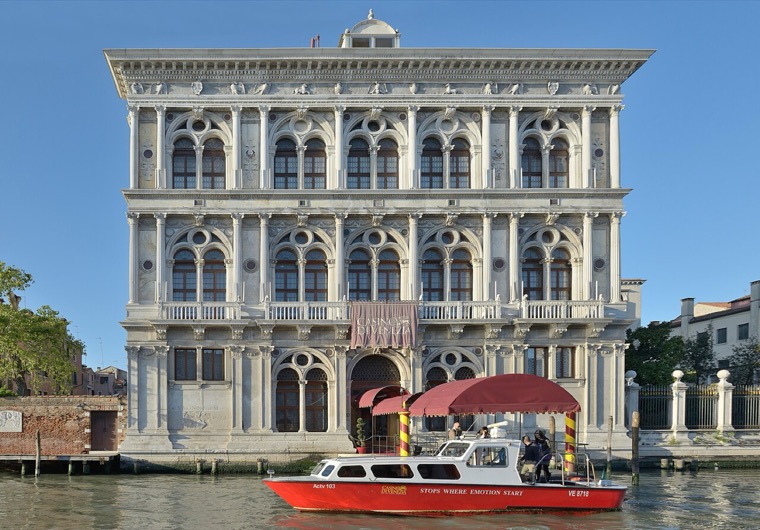
The tradition lives on. The Casinò di Venezia occupies Ca' Vendramin Calergi, a Renaissance palace on the Grand Canal where the composer Richard Wagner died in 1883, and you can arrive by water as players have for generations. A second, modern venue at Ca' Noghera, near the airport, has the slot machines and a more American style. Find out how it compares with Monte Carlo and Macau in 12 of the Most Amazing Casinos in the World, and see the other great gambling destinations in 7 Casino Cities to See Before You Die.