The Science of Luck: 7 Probability Myths Busted

Luck feels personal. We talk about lucky streaks, lucky numbers and lucky socks. But chance follows rules, and once you understand them, a lot of gambling folklore falls apart. Here are seven popular myths and what the science says.
1Myth: after a long streak, the other result is "due"
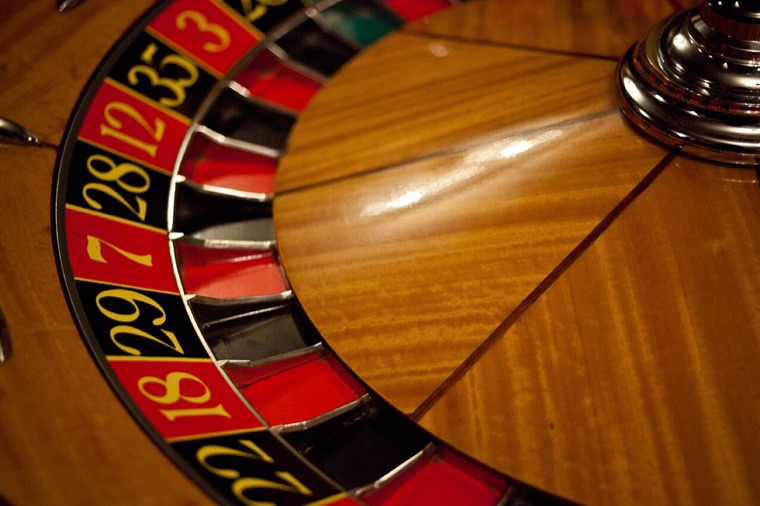
On 18 August 1913, at the Casino de Monte-Carlo, the roulette ball fell on black 26 times in a row. As the streak grew, players piled onto red, convinced it had to come up soon. They lost fortunes. A roulette wheel has no memory: each spin is independent, and the chance of red on the next spin was the same as ever, just under one in two.
This error is now called the gambler's fallacy, or the Monte Carlo fallacy. Long streaks feel impossible, but in millions of spins they are inevitable. The chance of 26 blacks in a row on a European wheel is well under one in a hundred million, yet with enough wheels spinning for enough decades, someone was always going to see it.
2Myth: players get "hot hands"
In 1985, psychologists Thomas Gilovich, Robert Vallone and Amos Tversky studied basketball shooting and concluded that the "hot hand" was largely an illusion: players were not much more likely to score after a run of hits. In 2018 two economists, Joshua Miller and Adam Sanjurjo, showed the original analysis contained a subtle statistical bias, and that a modest hot-hand effect may exist in skill games. In pure chance games like roulette or slots, though, there is nothing to get hot.
3Myth: some numbers are luckier than others
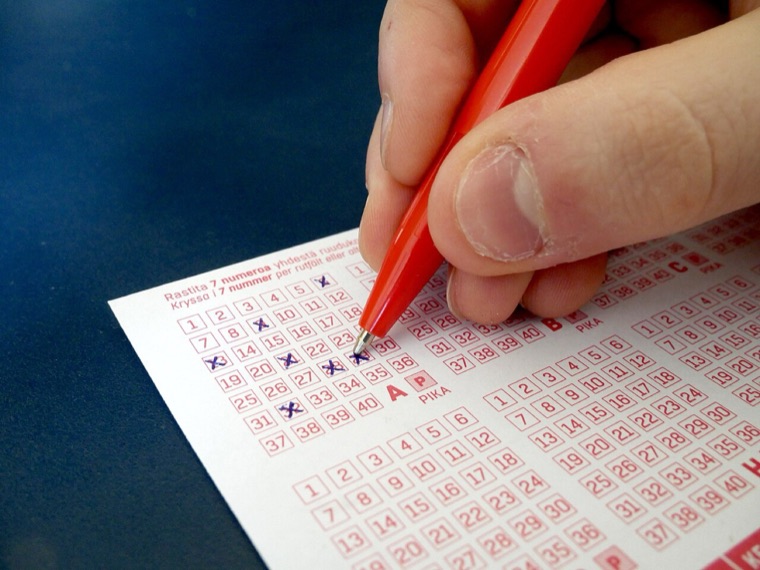
Every lottery combination is equally likely. What differs is how many other people choose it. Birthdays, sequences and patterns on the play slip are hugely popular, so a jackpot on those numbers is likely to be shared. That is exactly what happened in the fortune-cookie Powerball draw described in our lottery winners list.
4Myth: a slot machine that has not paid for a while is about to pay
Modern slots are run by a random number generator that picks the result at the instant you press the button. The machine does not track how long since its last jackpot, and moving to the "loose" machine next door changes nothing. See the technology behind modern slots for how it works.
5Myth: some people are simply born lucky
The psychologist Richard Wiseman spent years studying people who described themselves as lucky or unlucky, and reported his findings in the 2003 book The Luck Factor. In one famous test, volunteers were asked to count the photographs in a newspaper. On page two, in large type, was a message: "Stop counting. There are 43 photographs in this newspaper." Self-described lucky people tended to spot it; unlucky people tended to keep counting. Wiseman's conclusion was that "lucky" people are often more relaxed, more open to chance opportunities and better at noticing them. Luck, in that sense, can be practised.
6Myth: a betting system can beat the house
The most famous system is the martingale: double your stake after every loss, so the first win recovers everything. It fails for two reasons. Losing streaks are longer than people expect, and table limits stop you doubling forever. Underneath every system sits the house edge. On a European wheel, with a single zero and 37 pockets, it is about 2.7% on every bet; on an American wheel, with a double zero, about 5.26%. No sequence of bets can turn a negative expectation into a positive one.
| Game (typical rules) | Approximate house edge |
|---|---|
| European roulette (single zero) | 2.70% |
| American roulette (double zero) | 5.26% |
| Baccarat, banker bet | about 1.06% |
| Blackjack, good basic strategy | around 0.5% to 1% |
| Slots | varies, often 2% to 10%+ |
7Myth: lucky charms do nothing at all
This one is more interesting. A 2010 study by Lysann Damisch and colleagues reported that people told they were using a "lucky" golf ball sank more putts, apparently because the belief boosted their confidence. Later attempts to repeat the experiment did not find the same effect, so the jury is out. What is certain is that a charm cannot change the outcome of a random event: it might steady your hand, but not a roulette ball. Japan's beckoning lucky cat, which you will meet in our Aoshima cat island story, is a charming example.
Bonus: two puzzles that fool almost everyone
The birthday problem. In a room of just 23 people, there is a better than even chance that two share a birthday. With 70 people, it is above 99.9%.
The Monty Hall problem. On a game show you pick one of three doors; behind one is a car. The host, who knows where it is, opens another door to show a goat and offers you a switch. You should switch: it wins two times in three.
And one true story where the house really was beatable: in 1873 an English engineer, Joseph Jagger, recorded results at Monte Carlo and found a wheel that was slightly biased by a manufacturing flaw. He won a fortune before the casino worked out what was happening and started moving the wheels around. Today's casinos check their equipment constantly, for reasons explained in the craziest casino heists and cheating stories.