The Technology Behind Modern Slots and Online Casinos
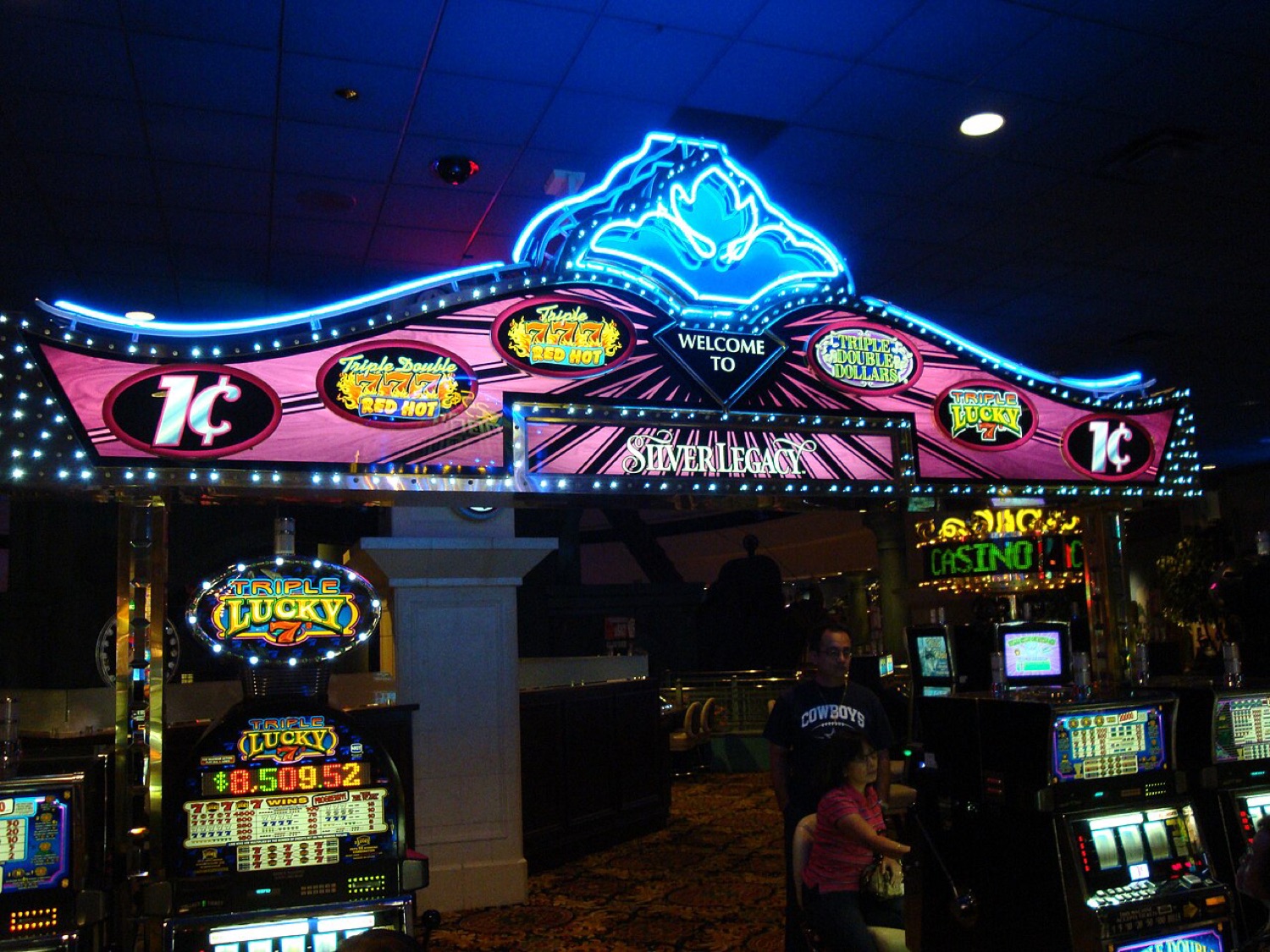
A slot machine looks like a simple box of spinning reels. In reality, a modern slot is a small computer running certified software, and an online casino is a stack of technologies from random number generators to live video studios. Here is how it all works, and how we got here.
The Liberty Bell: where it all began
Around the 1890s a mechanic in San Francisco named Charles Fey built the Liberty Bell, widely regarded as the first true slot machine. It had three spinning reels and five symbols: horseshoes, diamonds, spades, hearts and a cracked Liberty Bell. Three bells paid the top prize of fifty cents. Because it paid out automatically, it could run without an attendant, and it quickly spread through saloons.
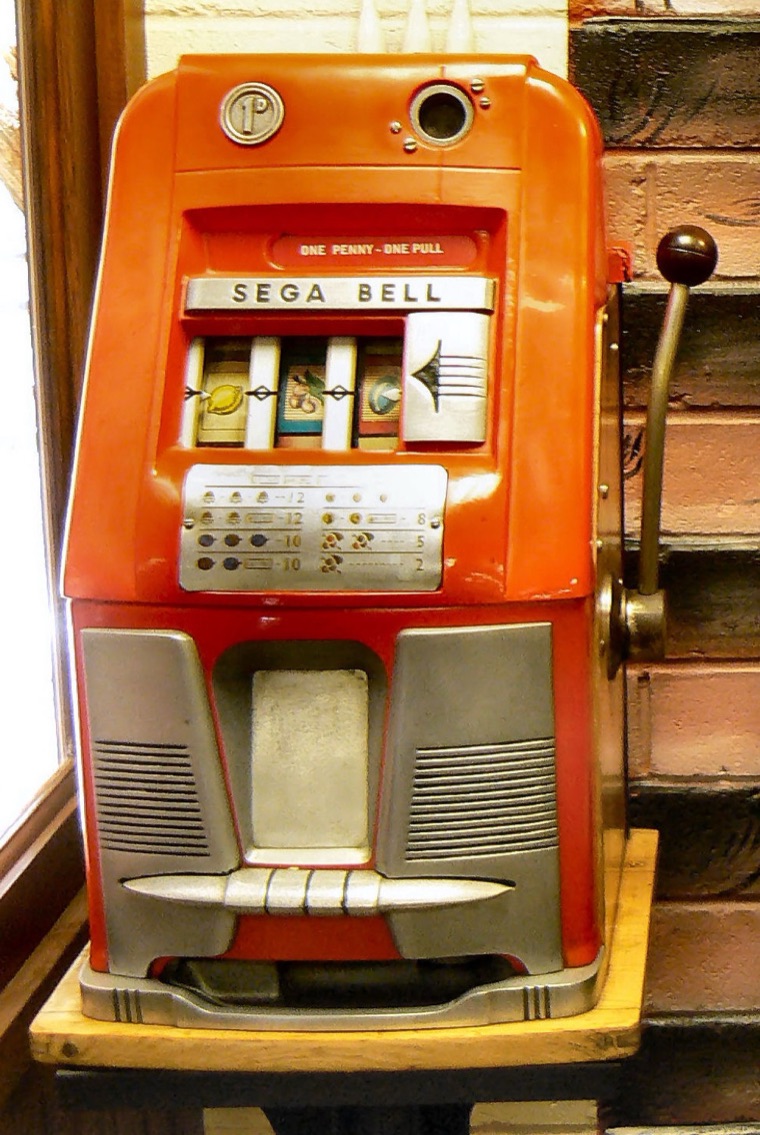
When gambling machines were restricted, manufacturers rebadged them as vending machines that "paid" in chewing gum, which is why fruit symbols such as cherries, lemons and plums, and the BAR symbol, became standard.
From springs to chips
- 1963-64: Bally's Money Honey, an electromechanical machine with a "bottomless" hopper that could pay out hundreds of coins automatically.
- 1976: the first video slot, using a modified television screen, appeared in Las Vegas.
- 1984: a patent by the Norwegian engineer Inge Telnaes introduced "virtual reels", in which a computer maps many more virtual stops than the physical reel shows. This allowed far bigger jackpots.
- 1986: linked progressive jackpots began connecting machines across many casinos into a single prize pool.
The random number generator
The heart of every modern slot is its random number generator, or RNG. It produces numbers continuously, thousands of times a second, whether anyone is playing or not. When you press the button, the machine takes the current number and maps it to a reel position. The animation of spinning reels is just theatre: the result was decided the instant you pressed.
That is why the myths about "hot" or "due" machines are wrong, as we explain in The Science of Luck. Each spin is independent. Regulators in most jurisdictions require RNG software to be tested and certified by independent laboratories before it reaches a casino floor.
RTP, volatility and the house edge
Key slot terms
- RTP
- Return to player: the share of all money wagered that a game is designed to pay back over millions of spins, for example 96%.
- House edge
- 100% minus RTP. A 96% RTP game has a 4% edge.
- Volatility
- How the payouts are spread: frequent small wins (low) or rare big wins (high).
- Hit frequency
- How often a spin returns any win at all.
- Progressive jackpot
- A prize that grows with every bet across linked machines or sites.
RTP is a long-run average, not a promise for one session. Over a few hundred spins, anything can happen, which is the whole appeal.
The online casino stack
Online gambling began in the mid-1990s, after Antigua and Barbuda passed a 1994 law that allowed companies to be licensed to offer gambling over the internet. The first online casinos ran on downloadable software; today almost everything runs in the browser. Here is what powers a modern site:
- Game servers. Slots and table games run on the provider's servers, with the RNG and the results recorded for audit.
- HTML5. Games once built in Flash were rebuilt in HTML5, so they work on phones and tablets. Flash itself was retired at the end of 2020.
- Live dealer studios. Real croupiers deal real cards and spin real wheels in front of cameras; optical recognition reads the cards and the ball's position and turns them into data for the player's screen.
- Geolocation and identity checks. In places that license online casinos state by state or country by country, sites must confirm where a player is and who they are before taking a bet.
- "Provably fair" games. Some crypto casinos publish cryptographic hashes that let players check afterwards that a result was not changed.
- Payments and security. Encrypted connections, card and e-wallet processing and fraud detection run behind every deposit.
From arcade to app
The line from the penny arcade to the smartphone is surprisingly direct: the same coin-op industry that built fortune-teller machines like the one in our movie gadgets list built the first slots, and the variable-reward design of slots has influenced apps far beyond gambling, as we discuss in our tips for working from home. For how the websites that promote online casinos make money, read Casino Affiliate Sites vs AdSense.