
How to Earn $100 Per Day With Google AdSense, and How Much Traffic You Need
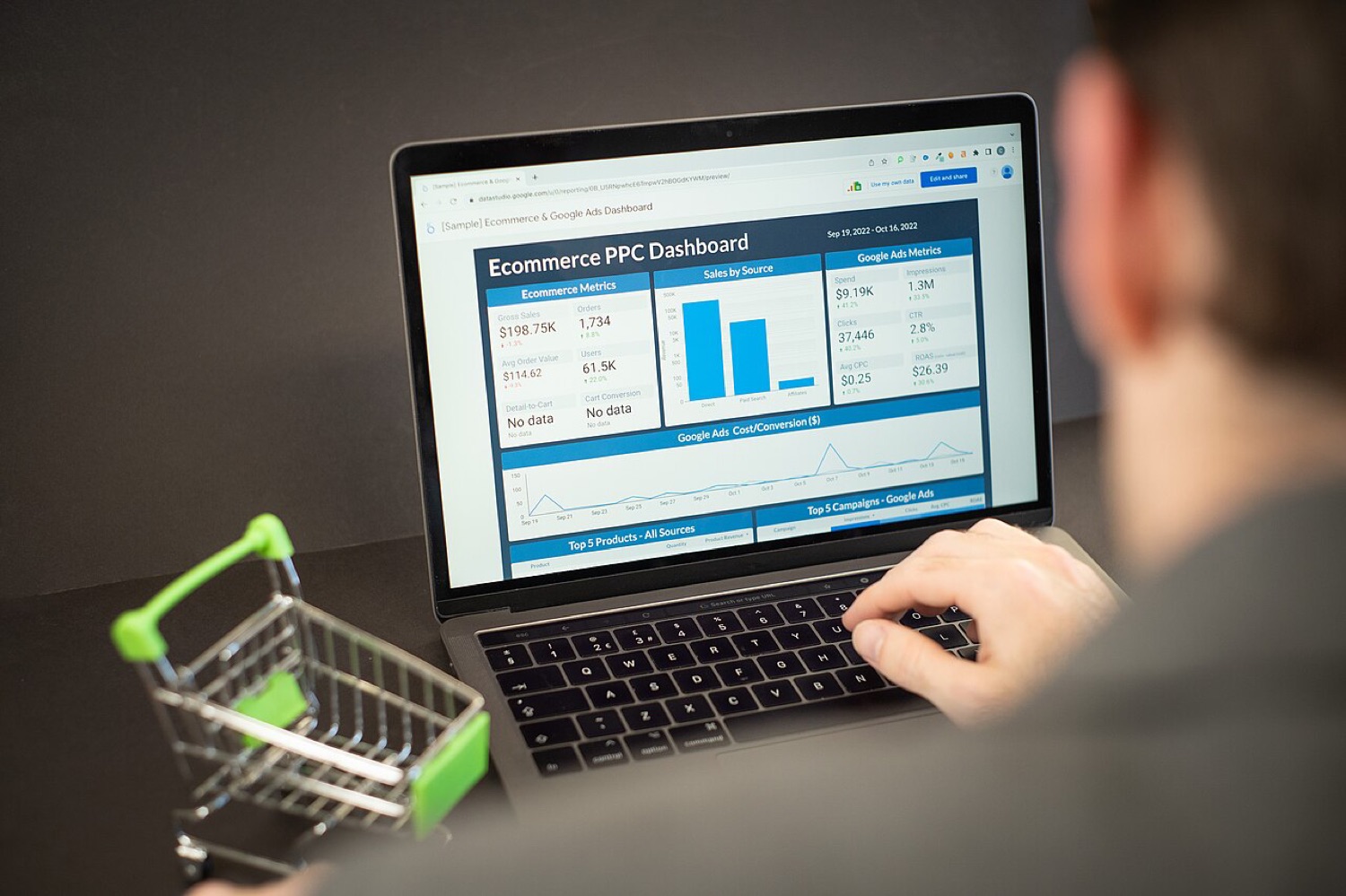
Earning $100, $200 or even $300 a day from Google AdSense is not impossible. Plenty of bloggers do it. What it takes is a plan, consistent work, patience and a topic you care about enough to write hundreds of articles on.
Before we do the sums, let us get the vocabulary straight, because every AdSense report is written in it.
The terms you need to know
AdSense vocabulary
- AdSense
- Google's program that places ads on websites, mobile sites and site search results and shares the revenue with the publisher.
- Impression
- One ad shown once. A page with three ad units produces three impressions per page view.
- CTR
- Click-through rate: clicks divided by impressions, times 100. Five clicks from 500 impressions is a 1% CTR.
- CPC
- Cost per click: what you earn each time a visitor clicks an ad. Advertisers in finance, insurance and software usually pay more than others.
- CPM
- Cost per thousand impressions: what an advertiser pays to show an ad 1,000 times.
- Page RPM
- Revenue per thousand page views: your total earnings divided by page views, times 1,000. The most useful single number in your report.
Let us make $100 a day
To keep the arithmetic simple, the original version of this article assumed one ad impression per page view, a 1% click-through rate and an average CPC of $0.25. Those were realistic figures for a general blog in 2015.
At those numbers, $100 a day needs 400 clicks. At a 1% CTR, 400 clicks need 40,000 page views a day. If a typical article brings in 80 views a day once it is indexed and ranking, you need around 500 articles working for you. That sounds like a mountain, but at two or three posts a week, plus a few that take off, it is a two-year project rather than a lifetime.
| Assumption | Value | Result |
|---|---|---|
| Daily page views | 40,000 | 40,000 impressions |
| Click-through rate | 1% | 400 clicks |
| Average CPC | $0.25 | $100 per day |
| Page RPM | — | $2.50 |
The same goal in today's terms
The industry now thinks in RPM rather than clicks. In 2023 Google announced that AdSense would move to paying publishers mainly per impression rather than per click, starting in 2024, so the cleanest way to plan is to ask: what is my page RPM, and how many page views does that imply?
| Page RPM | Page views per day for $100 | Typical of |
|---|---|---|
| $2 | 50,000 | general entertainment, international traffic |
| $5 | 20,000 | solid niche blogs with US and UK readers |
| $10 | 10,000 | personal finance, software, travel planning |
| $20+ | 5,000 or fewer | high-value niches with expensive advertisers |
These are illustrative ranges, not promises. RPM swings with the season, the country your readers live in, the device they use and the topic of each page. December is usually generous, January usually is not.
Do not rely on AdSense alone
The bloggers who earn well rarely depend on one source. The same 40,000 daily page views can also earn from:
- Direct ad sales. Selling a banner or a sponsored post straight to a company in your niche often pays far more than network ads, because there is no middleman.
- Affiliate marketing. A niche blog with honest, detailed reviews converts well. You earn a commission when a reader buys a product you recommend.
- Other ad networks. Display networks and native ad widgets can run alongside or instead of AdSense.
Add up a conservative figure from each, and a site that earns $100 a day from AdSense can comfortably earn two or three times that in total. The P.S. from 2015 still stands: publish 200 to 250 genuinely useful posts a year for two years, and you will need far less than 40,000 page views to reach your goal.
Why casino sites earn in a completely different way
If AdSense is a slow, steady slot machine paying small coins on every spin, the gambling niche is the high-limit room. Google's publisher policies treat online gambling content as restricted, so pages that promote real-money casinos or betting usually see limited or no AdSense ads at all. Sites in that niche earn through affiliate deals with operators instead: a share of the revenue from players they refer, a fixed fee per depositing customer, or a mix of both.
The numbers per visitor can be dramatically higher than an AdSense RPM, but so is the competition, and the income is far lumpier. We put the two models side by side, with honest caveats, in Casino Affiliate Sites vs AdSense: What People Really Earn. And if you would rather write for those sites than run one, see our money tips for people who are good at writing.
So what are you waiting for?
Pick a topic you can write about for years, publish consistently, watch your RPM rather than your clicks, and add a second income stream as soon as traffic allows. Be focused, be patient, and start blogging.